Housing affordability and homeownership access are now at the center of California’s political conversation. As the state approaches the 2026 gubernatorial election, candidates are outlining their plans to address one of the biggest challenges facing residents: the California housing crisis.
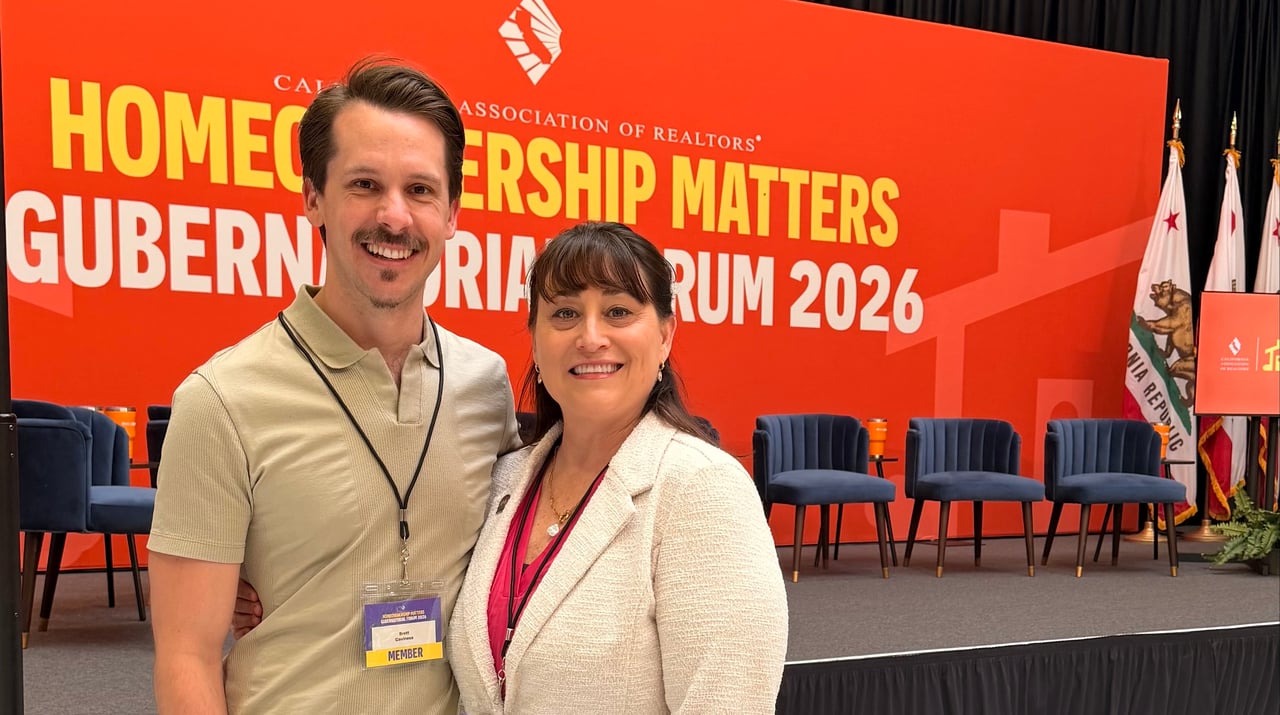
I recently attended the “Homeownership Matters: Gubernatorial Forum” in Sacramento, where six candidates for California’s next governor discussed their ideas for housing policy, homeownership access, and solutions to the state’s housing shortage.
As Brett Caviness — Past President of the Silicon Valley Association of REALTORS® and a current member of the Strategic Planning and Financing Committee for the California Association of REALTORS®, I had the opportunity to hear directly from these candidates and gain insight into the future of housing policy in California.
Below are the key takeaways from the forum and what they could mean for California homeowners, buyers, and the real estate market moving forward.
The Future of Housing in California Is Now a Top Political Issue
One theme dominated the entire conversation: California must address its housing shortage. Across party lines, candidates acknowledged that the state is simply not building enough homes to meet demand. Current estimates suggest California needs to build 300,000 to 500,000 homes annually to meet housing demand and stabilize prices. Today, the state is producing closer to 100,000 homes per year.
This supply gap has contributed to several major challenges:
-
California home prices remain more than twice the national average
The average age of a first-time homebuyer is approaching 40
-
California has one of the lowest homeownership rates in the United States
For many families, the traditional pathway to homeownership, often called the California Dream, is becoming harder to reach.
Increasing Housing Supply Is the Center of California Housing Policy
Nearly every candidate agreed on one core solution: California must build more housing. Future housing policy in California will likely focus on increasing production through a combination of strategies, including:
Faster housing approvals
Many candidates discussed setting clear timelines for permits and approvals to reduce delays that slow down construction.
Reducing regulatory barriers
Several candidates pointed to regulations and development fees as factors that significantly increase the cost of building homes.
Encouraging innovative construction
Some candidates supported expanding modular or factory-built housing, which can reduce construction timelines and costs.
Expanding housing types
Future housing policy may encourage a broader mix of housing options, including:
- Single-family homes
- Townhomes
- Duplexes and fourplexes
- Multi-family housing
Often referred to as “missing middle housing,” these types of homes can provide more attainable ownership opportunities for first-time buyers.
First-Time Homeownership Programs May Expand
Another major focus of the forum was expanding access to homeownership for first-time buyers. Many renters can afford monthly mortgage payments but struggle to save the down payment required to purchase a home. Programs like California Dream For All, which offer shared appreciation loans for down payments, were widely discussed.
Several candidates indicated support for programs that help:
- First-time homebuyers
- Teachers and public servants
- Essential workers
If expanded, these programs could help thousands of Californians transition from renting to owning.
Home Insurance Is Emerging as a Major Housing Issue
One issue that received significant attention during the forum was the California homeowners insurance crisis. Rising wildfire risk, insurers leaving the market, and higher construction costs have created new challenges for homeowners and buyers. Insurance availability has become increasingly important because lenders require homeowners insurance in order to close a mortgage.
Potential policy solutions discussed included:
- Increasing wildfire prevention investments
- Reforming insurance regulations
- Expanding catastrophe reinsurance programs
- Incentivizing fire-resistant construction and home hardening
Addressing the insurance market will likely become an important part of future California housing policy.
A Rare Level of Agreement Among Candidates
One of the most interesting aspects of the forum was the level of agreement among candidates. While they differed on certain details, there was broad consensus around several key ideas:
California must:
- Increase housing supply
- Streamline permitting and approvals
- Support first-time homebuyers
- Improve housing affordability
- Address the growing insurance challenge
This bipartisan recognition suggests that housing will remain a top policy priority in California for the next decade.
What These Policies Could Mean for California Homeowners
Housing policy decisions made in Sacramento can have a direct impact on the real estate market and homeowners across the state. Changes in the following areas could influence home values and affordability:
- Housing construction levels
- Development approvals
- Home insurance regulations
- First-time buyer programs
- Construction costs
For homeowners, increased housing supply could help stabilize the market while expanding opportunities for the next generation of buyers.
Why Real Estate Professionals Are Engaged in Housing Policy
As REALTORS®, we work on the front lines of the housing market and see firsthand how policy decisions affect buyers, sellers, and communities. Organizations like the California Association of REALTORS® advocate for policies that expand housing opportunities and support sustainable homeownership. That’s one reason I attended the Sacramento forum, to help ensure the voices of homeowners, buyers, and real estate professionals are part of the conversation.
The Path Forward for California Housing
California’s housing challenge did not develop overnight, and it will not be solved overnight either. But the growing political focus on housing signals an important shift. Leaders across the political spectrum now recognize that restoring access to homeownership must be part of the solution to California’s affordability challenges. The next governor will play a critical role in shaping the future of housing in California, and the policies developed over the next several years will likely influence the real estate market for decades to come.
About the Author
Brett Caviness, DRE# 01935984
Past President, Silicon Valley Association of REALTORS®
Member, Strategic Planning & Financing Committee
California Association of REALTORS®
Brett Caviness is a Silicon Valley real estate professional who works closely with state and local housing leaders to support policies that expand homeownership opportunities across California.